
Beyond the Service Level Agreements
Type into Google “what is an SLA” and you will find it defined as an agreed set of service standards and performance expectations between a provider and a client. In the world of security, this includes things such as staffing levels, site coverage hours, reporting requirements, escalation procedures, meeting frequencies, KPIs and so on.
However, good security service delivery goes beyond simply fulfilling the minimum agreed contractual requirements. Presenteeism is not an indication of whether issues are dealt with effectively when they arise, and hitting KPIs alone won’t tell the full story of how a team is helping to create an environment that is easier to operate, safer to occupy and more resilient over time.
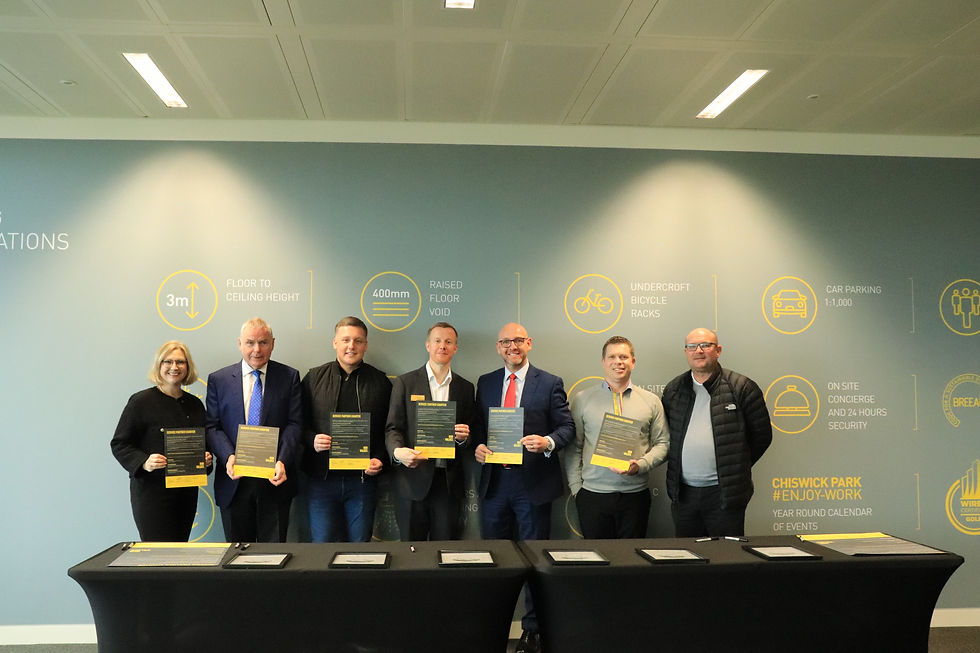
Effective security is integrated into the wider operations of a building. This means understanding what matters to the client and the context in which they are operating, whether that is a corporate headquarters, mixed-use estate or high profile destination.
Every environment has its unique pressures and operational priorities and it is important that the security provision reflects that. It goes far beyond providing a service and much more about working in partnership.

The strongest partnerships in life are built on clear communication, and this is true of security provision. Clients should expect regular engagement, transparency and a mutual understanding of what success looks like.
Equally security teams need to understand the environments they operate in and feel supported to make informed decisions. Investment in training, leadership and culture is not separate from service quality, it is service quality.

Security providers should also bring fresh new thinking, whether that is opportunities to support client ESG goals, improving tenant experience, introducing innovations to increase efficiency or sharing insights into wider industry trends. Adding value beyond the SLA is what turns a supplier relationship into a genuine partnership.
Ultimately, clients should expect more than a presence. They should expect a partner that understands their objectives, is accountable and helps reduce risk before issues arise. Because while an SLA may define what is delivered it should never define the full value of the relationship.


